Acta Mediaevalia. Series Nova
Acta Mediaevalia. Series Nova is a specialist journal. We plan to publish scholarly articles, source materials and reviews regarding all aspects of medieval history, issuing one volume per year. The journal will be published by the Centre of Medieval Studies at John Paul II Catholic University of Lublin and supervised by an international Editorial Board.
Acta Mediaevalia. Series Nova not only refers to and continues this outstanding tradition, but also develops it creatively for future generations of readers. An international Academic Board will assess the quality of publications regarding all aspects of medieval studies. Texts will be published primarily in English. Not only do we wish Acta Mediaevalia to maintain its reputation in Poland and abroad, but we also want it to be an Open Access journal indexed in acknowledged international databases, which will help it achieve further recognition in modern humanities.
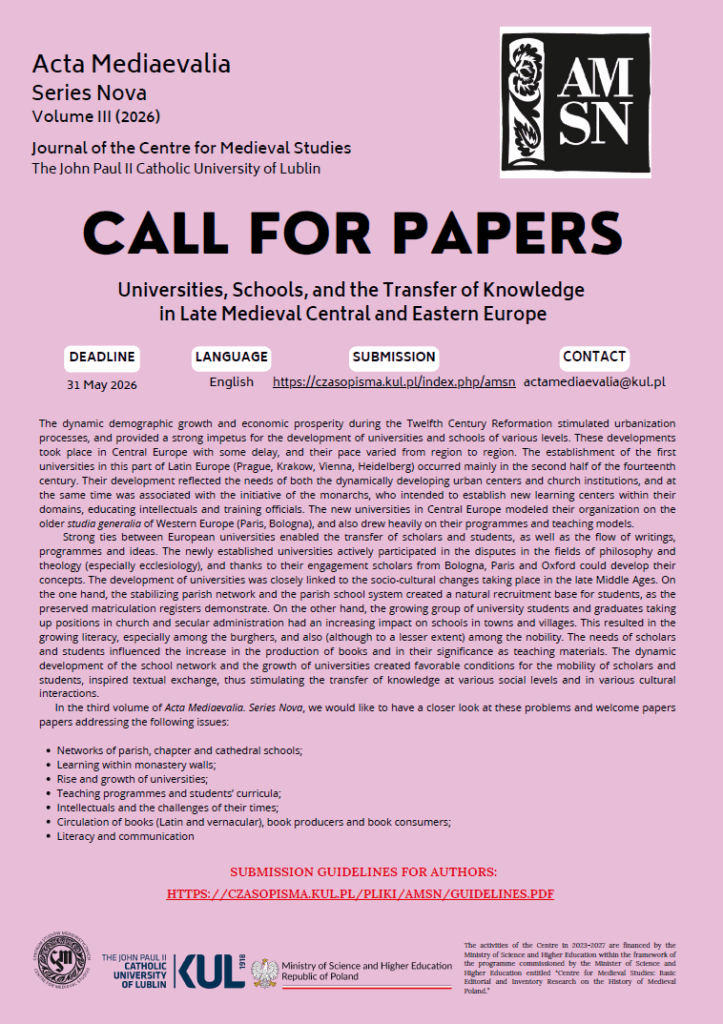
Call for Papers
Universities, Schools, and the Transfer of Knowledge in Late Medieval Central and Eastern Europe
The dynamic demographic growth and economic prosperity during the Twelfth Century Reformation stimulated urbanization processes, and provided a strong impetus for the development of universities and schools of various levels. These developments took place in Central Europe with some delay, and their pace varied from region to region. The establishment of the first universities in this part of Latin Europe (Prague, Krakow, Vienna, Heidelberg) occurred mainly in the second half of the fourteenth century. Their development reflected the needs of both the dynamically developing urban centers and church institutions, and at the same time was associated with the initiative of the monarchs who intended to establish new learning centers within their domains, educating intellectuals and training officials. The new universities in Central Europe modeled their organizations on the older studia generalia of Western Europe (Paris, Bologna), and also drew heavily on their programmes and teaching models.
Strong ties between European universities enabled the transfer of scholars and students, as well as the flow of writings, programmes and ideas. This was not a one-way process, as it sometimes suggested in university circles during the debate about the crisis of the Church and the paths to its reform during the Great Schism and the conciliar movement. The newly established universities actively participated in the disputes in the fields of philosophy and theology (especially ecclesiology) and thanks to their engagement scholars from Bologna, Paris and Oxford could develop their concepts.
The development of universities was closely linked to the socio-cultural changes taking place in the late Middle Ages. On the one hand, the stabilizing parish network and the parish school system created a natural recruitment base for students, as the preserved matriculation registers demonstrate. On the other hand, the growing group of university students and graduates taking up positions in church and secular administration had an increasing influence on schools in towns and villages. This resulted in the growing literacy, especially among the burghers, and also (although to a lesser extent) among the nobility. The needs of scholars and students influenced the increase in the production of books and in their significance as teaching materials.
In the third volume of Acta Mediaevalia. Series Nova, we want to have a closer look at these problems and welcome papers addressing the following issues:
- Networks of parish schools;
- Rise and growth of universities;
- Teaching programmes and students’ curricula;
- Intellectuals and the challenges of their times;
- Book producers and book consumers;
- Literacy and communication
The journal also accepts reviews of recently published academic books (released no earlier than 2024) and critical source editions (proposals of the latter should be consulted with the journal’s editors first). Book reviews are not limited to the call for papers’ topic, but they should be relevant to recent medieval studies.
Articles, book reviews, and critical source editions should be submitted via the journal’s online platform: https://czasopisma.kul.pl/index.php/am.
History
Even though the first volume of Series Nova is planned for publication in 2024, the journal is a descendant of a rich, half-a-century-old tradition of Acta Mediaevalia – a series of publications issued between 1973 and 2014 by the Centre for the History of Culture in the Middle Ages at the KUL Faculty of Philosophy. The unit was called “The Inter-Faculty Department for the History of Culture in the Middle Ages” until 2006, and “The Institute for the History of Culture in the Middle Ages” between 2006 and 2010.
Throughout the existence of Acta Mediaevalia, its Editorial Team and Academic Board comprised outstanding Polish researchers, such as:
- Marian Kurdziałek,
- Marian Rechowicz,
- Stefan Swieżawski,
- Stanisław Wielgus,
- Walenty Wójcik,
- Mieczysław Markowski,
- Jerzy Rebeta,
- Marek Zahajkiewicz,
- Edward Iwo Zieliński,
- Juliusz Domański,
- Stanisław Janeczek,
- Elżbieta Jung,
- Zenon Kałuża,
- Jadwiga Kuczyńska,
- Urszula Mazurczak,
- Stanisław Olczak,
- Mikołaj Olszewski,
- Anzelm Weiss,
- Stanisław Bafia,
- Joanna Judycka,
- Lucyna Nowak,
- Małgorzata Kowalewska,
- Michał Maciołek,
- Hanna Wojtczak.
- Wanda Bajor.
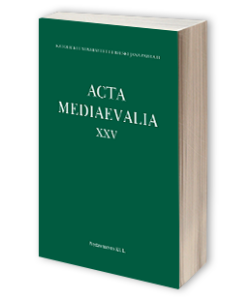
Articles, PhD dissertations as well as critical editions of medieval texts, all devoted to various aspects of medieval intellectual life, were published in the series. Critical editions of the work of medieval authors such as
- Jan Elgot,
- Jan of Dąbrówka,
- Benedykt Hesse,
- Stanisław of Zawada,
- Stanisław of Skarbimierz,
- Andrzej of Kokorzyn,
- Jan Isner
were published in the series.
International Editorial Board
- Stanko Andrić (Croatian Institute of History, Zagreb)
- Darius Baronas (Lithuanian Institute of History, Vilnius)
- Marie-Madeleine de Cevins (University of Rennes)
- Frederik Felskau (Independent scholar, alumni Freie Universität Berlin)
- Ottó Gecser (Eötvös Lórand University, Budapest)
- Kantik Ghosh (University of Oxford)
- Emilia Jamroziak (University of Leeds)
- Antonin Kalous (Palacký University, Olomouc)
- Stanka Kuzmová (Comenius University, Bratislava)
- Judit Majorossy (University of Vienna)
- Brigitte Meijns (KU Leuven)
- Beata Możejko (University of Gdańsk)
- Beatrix Romhányi (Károli Gáspár Reformed University, Budapest)
- Julia Verkholantsev (University of Pennsylvania, Philadelphia)
- Thomas Wünsch (University of Passau)
- Yuriy Zazuliak (Ukrainian Catholic University of Lviv)
Editors
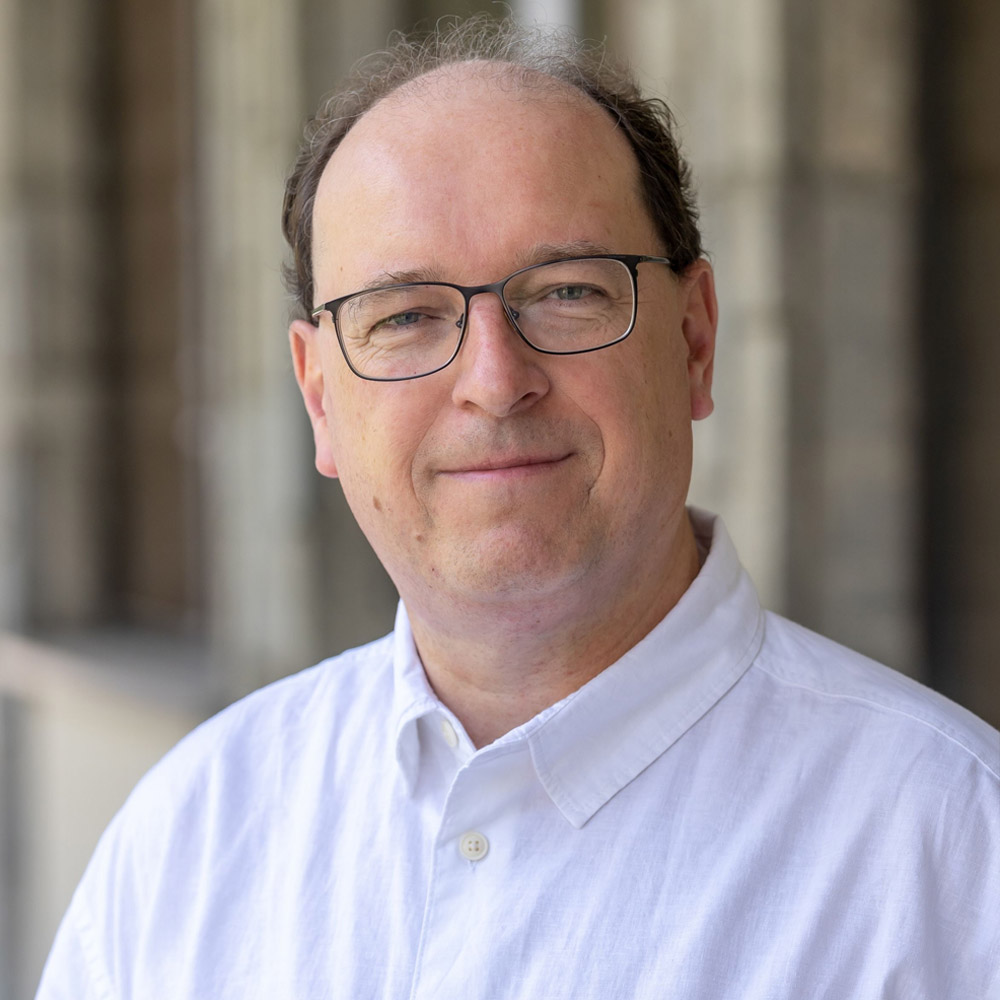
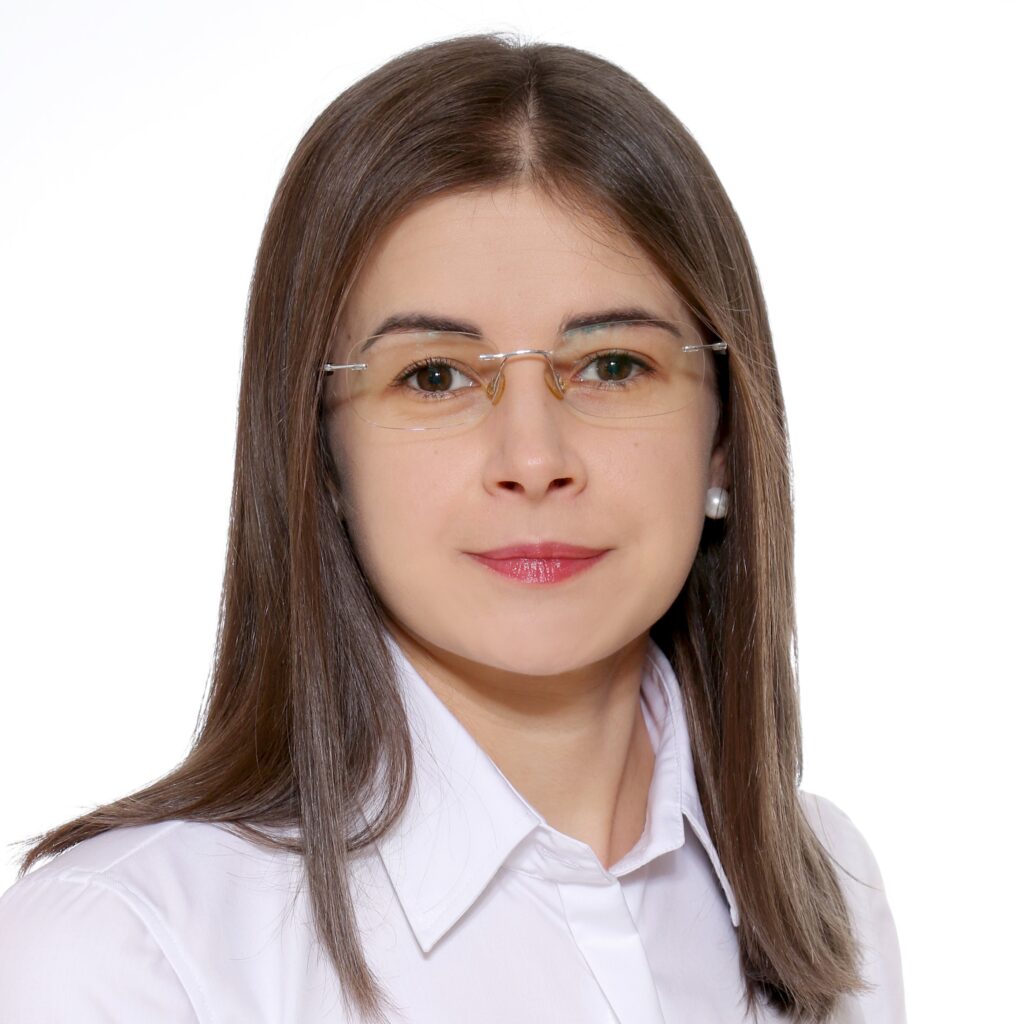
- Wanda Bajor (John Paul II Catholic University of Lublin)
- Małgorzata Charzyńska-Wójcik (John Paul II Catholic University of Lublin)
- Tomasz Gałuszka OP (John Paul II Pontifical University, Cracow)
- James Mixson (The University of Alabama, Tuscaloosa)
- Petra Mutlová (Masaryk University, Brno)
- Martin Nodl (Centre for Medieval Studies, Prague)
- Marcin Polkowski (John Paul II Catholic University of Lublin)
- Stephen C. Rowell (Lithuanian Institute of History, Vilnius)
- Anna Zajchowska-Bołtromiuk (Polish Academy of Sciences, Warsaw)
Photo Gallery